Day trips from Manchester - a member's guide
Where to go when you have a day and want it to count: real destinations within reach of Manchester.
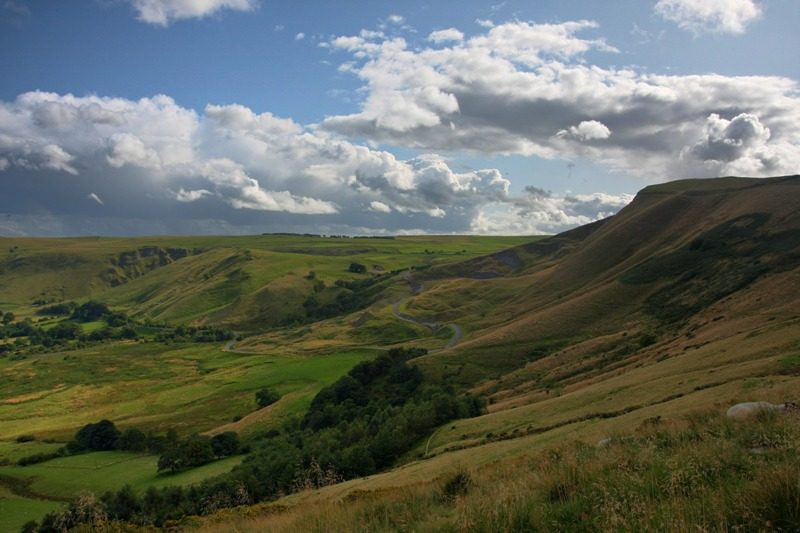
Manchester offers a superb base for exploring varied landscapes and historical cities within a short journey. From the dramatic peaks of the Peak District to the Roman walls of Chester and the industrial heritage of Quarry Bank Mill, diverse experiences await. These destinations provide rich cultural and natural insights, easily accessible for a rewarding day out from the city, offering a compelling blend of history, nature, and unique attractions.
The Peak District - Edale and Castleton
The Peak District National Park, established in 1951 as Britain's first, presents a striking contrast of gritstone moorlands in the Dark Peak to the north and east, and limestone dales in the White Peak to the south and west. For a day trip from Manchester, the villages of Edale and Castleton offer excellent starting points to experience this diverse landscape, both situated in the Dark Peak but with access to limestone features.
Edale, nestled at the foot of Kinder Scout, is widely known as the official start of the Pennine Way, Britain's oldest National Trail. The village itself is small, with a church, a pub, and a visitor centre. Why it rewards a day: It is a walker's paradise, offering routes for all abilities, from gentle strolls along the River Noe to more challenging ascents onto Kinder Scout or Mam Tor. Kinder Scout gained historical significance in 1932 when the Mass Trespass took place, a pivotal moment in the fight for public access to open moorland in Britain. This event galvanised the movement that eventually led to the creation of national parks. The scenery is quintessential British countryside - rolling hills, dry stone walls, and expansive views. Walking here provides a profound sense of escape and connection to nature, allowing visitors to breathe fresh air and engage in healthy activity. The journey to Edale often reveals stunning vistas even before arrival, setting the tone for the day.
Castleton, a short drive or an invigorating walk from Edale over Mam Tor's ridge, is famous for its four show caves and the ruins of Peveril Castle. Mam Tor, often called the "Shivering Mountain" due to its unstable shale layers leading to frequent landslips, offers breathtaking views across the Hope Valley and Edale Valley. The village itself is picturesque, with stone cottages and a traditional market cross. Why it rewards a day: It combines natural wonders with significant historical architecture. Visitors can explore the underground caverns of Blue John Cavern and Speedwell Cavern, delving into geological formations and mining history. Blue John stone, a semi-precious mineral, is found only in these local mines and is celebrated for its unique banded purple-blue and yellow hues. Peveril Castle, a Norman fortress perched high above the village, offers panoramic views of Hope Valley. Built by William Peveril, a favourite knight of William the Conqueror, this castle is mentioned in the Domesday Book of 1086, making it one of England's earliest Norman fortresses. The village also has a number of independent shops selling local crafts, including jewellery made from the rare Blue John stone. Castleton provides a blend of adventure, history, and a charming village atmosphere, making it a comprehensive destination for a day trip. Both Edale and Castleton are roughly a 1 to 1.5 hour drive south-east of Manchester. They are also accessible by train, with Edale having its own station.
Chester - Roman Walls and Medieval Rows
Chester is a historic city distinguished by its remarkably preserved Roman walls, which encircle the city centre. Founded as a Roman fortress named Deva Victrix, its history spans two millennia. It served as a vital legionary fortress for the Roman army, home to Legio XX Valeria Victrix from the late 1st century AD. Beyond its Roman heritage, Chester is renowned for "The Rows," unique two-tiered medieval shopping galleries that date back to the 13th century.
Why it rewards a day: Chester offers a compact, walkable experience rich in history and architectural uniqueness. A full circuit of the Roman Walls, approximately two miles long, provides elevated views of the city, its cathedral, and the River Dee. Walking the walls is a direct way to engage with the city's past, offering a perspective unlike any other city in Britain. The Rows provide a distinctive shopping experience, with independent boutiques and cafes occupying the upper and lower levels, connected by internal staircases. This architectural feature is genuinely singular, allowing visitors to explore shops on different levels without descending to street level. Historians suggest The Rows may have served as a defensive feature in medieval times, offering protected walkways. Chester Cathedral, with its impressive Gothic architecture and tranquil cloisters, is another major highlight. Originally a Benedictine abbey, it showcases centuries of religious and artistic heritage, including magnificent medieval choir stalls and stained glass. The city also features a Roman Amphitheatre, the largest in Britain, once used for military training and public entertainment including gladiatorial contests, and a bustling market. Its blend of ancient history, medieval charm, and modern vibrancy makes it an engaging destination. Chester is approximately a 1 hour drive west of Manchester and is well-served by direct train services.
Liverpool - Maritime History and Musical Legacy
Liverpool, a significant maritime city, holds a prominent place in global history, particularly for its role in trade and emigration. The city's docks were central to global commerce, including the transatlantic slave trade, a painful but critical part of its history explored at the Merseyside Maritime Museum. More recently, it gained international fame as the birthplace of The Beatles. The city's waterfront, a former UNESCO World Heritage site, is a striking collection of historic docks and impressive buildings.
Why it rewards a day: Liverpool offers a dynamic urban experience, combining cultural institutions, musical heritage, and compelling architecture. The Royal Albert Dock is a central attraction, designed by Jesse Hartley and built in 1846 using innovative cast-iron and brick construction. It houses Tate Liverpool, the Merseyside Maritime Museum, and The Beatles Story exhibition. Tate Liverpool presents modern and contemporary art, often featuring works by prominent British and international artists. The Maritime Museum explores the city's seafaring past, including its connections to the Lusitania and Titanic (many crew members hailed from Liverpool), and the stories of millions who emigrated from its port. The Beatles Story provides an immersive journey through the band's rise to global stardom, displaying original instruments and memorabilia like John Lennon's spectacles. Beyond the dock, visitors can explore the city's two magnificent cathedrals - the Anglican Cathedral, one of the largest in the world, designed by Sir Giles Gilbert Scott, and the Metropolitan Cathedral of Christ the King, a striking example of 20th-century modernism designed by Sir Frederick Gibberd. Penny Lane and Strawberry Field, immortalised in Beatles songs such as "Penny Lane" and "Strawberry Fields Forever," are also accessible. The city's vibrant atmosphere, friendly locals, and distinct identity make it a rewarding destination for those interested in music, art, and social history. Liverpool is roughly a 1 hour drive west of Manchester, with frequent direct train services connecting the two cities.
Quarry Bank Mill at Styal - Industrial Heritage Revealed
Quarry Bank Mill, a National Trust property located in Styal, Cheshire, is one of the best-preserved textile mills of the Industrial Revolution. It stands as a living museum, offering a direct insight into the history of cotton production and the lives of those who worked there. The site includes the mill itself, powered by one of the largest working waterwheels in Europe, an Apprentice House, and the village built for the mill workers.
Why it rewards a day: Quarry Bank Mill provides a tangible connection to a pivotal period in British history. Founded by Samuel Greg in 1784, it represents the entrepreneurial spirit and technological innovation that drove the Industrial Revolution. Visitors can witness original machinery in action, experiencing the noise and scale of a 19th-century cotton mill. Demonstrations bring the manufacturing process to life, from raw cotton to finished cloth, illustrating the ingenuity and challenges of the era. The impressive Styal Mill Wheel, a colossal waterwheel, still powers some of the machinery, showcasing the power source of early industrialisation. The Apprentice House offers a poignant glimpse into the lives of the child apprentices who worked at the mill, detailing their living conditions, education, and daily routines. Children as young as seven worked long hours, often 12-14 hours a day, though Samuel Greg provided some education and medical care, which was progressive for the time. The surrounding estate includes beautiful gardens, riverside walks along the River Bollin, and the mill owner's house (Quarry Bank House), showcasing the stark contrast between the lives of the workers and the mill owners. This site is not merely a collection of buildings; it is a comprehensive narrative of industrial, social, and technological change. Its educational value, combined with its scenic setting, makes it a compelling and thought-provoking day trip. Quarry Bank Mill is very close to Manchester, approximately a 30-45 minute drive south. Styal train station is nearby, followed by a walk to the mill.
The Southern Lake District - Lakes and Literary Landscapes
The Lake District National Park, England's largest, is renowned for its dramatic fells, glacial ribbon lakes, and picturesque villages. For a day trip from Manchester, focusing on the southern parts of the park, particularly around Windermere and Coniston, is most feasible, offering a taste of its iconic beauty without excessive travel.
Why it rewards a day: The southern Lake District presents an opportunity to experience one of Britain's most celebrated natural landscapes. Lake Windermere, the largest natural lake in England, is a focal point, offering boat cruises by Windermere Lake Cruises that provide stunning views of the surrounding fells and shores. Towns like Bowness-on-Windermere are hubs for lake activities and offer charming streets with shops and cafes. Ambleside, further north on Windermere, is a popular base for walks and has the unique Bridge House, a tiny house built literally over a river. Literary connections abound; Beatrix Potter's Hill Top farm near Sawrey, where she wrote many of her beloved children's stories like The Tale of Tom Kitten and The Tale of Jemima Puddle-Duck, offers a glimpse into her life and inspiration. Potter was also a dedicated conservationist, using her earnings to buy and protect land in the Lake District. William Wordsworth's homes, such as Dove Cottage in Grasmere (a little further north but still accessible) and Rydal Mount, also draw visitors interested in the Romantic poets. Wordsworth's poem "I wandered lonely as a cloud" (known as Daffodils) captures the essence of the region's natural beauty. The area also inspired Arthur Ransome's Swallows and Amazons series, with Coniston Water often cited as the inspiration for the fictional Lake. The area allows for gentle walks along lake shores or more strenuous hikes up smaller fells, offering fresh air and breathtaking vistas. A day in the southern Lake District provides a refreshing escape into an area of outstanding natural beauty, combined with cultural and literary insights. The southern Lake District, around Windermere, is roughly a 1.5 to 2 hour drive north-west of Manchester.
Frequently asked questions
Which day trip is best for families with young children?
For families with young children, Quarry Bank Mill at Styal is an excellent choice. Its interactive exhibits, working machinery demonstrations, and the Apprentice House provide an engaging and educational experience. The site also has extensive grounds for children to explore and picnic. Chester is another strong contender, offering easily walkable Roman walls, the unique Rows for exploration, and the opportunity to visit the cathedral. The Peak District around Castleton could also work, with its show caves offering a sense of adventure, though some walks might be too strenuous for very young children.
Are these destinations easily accessible by public transport from Manchester?
Many of these destinations are well-served by public transport. Chester and Liverpool both have frequent, direct train services from Manchester Piccadilly or Victoria, with journey times of around an hour. Edale in the Peak District also has its own train station, making it accessible for walkers. Quarry Bank Mill is near Styal train station, requiring a walk from the station. The Lake District is more challenging for a direct public transport day trip, often involving a train to a hub like Windermere, then local buses or taxis to reach specific attractions. Planning is essential for public transport options, especially for the more rural locations.
What essential items should one pack for a day trip from Manchester?
- Layers of clothing: The weather in the North West can be changeable. - Comfortable, sturdy walking shoes: Crucial for exploring cities and natural landscapes. - Waterproof jacket or umbrella: Highly recommended for unexpected rain. - Reusable water bottle and snacks: Good for sustaining energy throughout the day. - Small backpack: Useful for carrying essentials. - Map and compass or GPS device: Beneficial for national park explorations.
Top Activities for Each Destination?
The Peak District (Edale & Castleton)?
Chester?
Liverpool?
Quarry Bank Mill at Styal?
The Southern Lake District?
This is an independent member's guide compiled by Manchester Society. We are not affiliated with the venues and institutions mentioned; opening arrangements and programmes change - always confirm details on the official websites before making plans.
← Back to Events