Free things to do in Manchester - a member's guide
A city's character is often in what it gives away: the best of Manchester at no cost.
Manchester's Free Cultural Gems Manchester offers a wealth of world-class cultural experiences that are entirely free to explore, making it an accessible destination for art, history, and science enthusiasts. From Pre-Raphaelite masterpieces to the birthplace of the industrial revolution and ancient manuscripts, the city's institutions provide profound insights without cost. This guide highlights the best of these permanent collections, ensuring a rich and rewarding visit.
Discovering Manchester's Free Attractions
Manchester's cultural landscape is shaped by its history as an industrial powerhouse and a hub of innovation. This legacy is preserved and celebrated in its many museums and galleries, many of which maintain free access to their permanent collections. While special exhibitions often require a ticket, the core offerings provide days of engaging exploration.
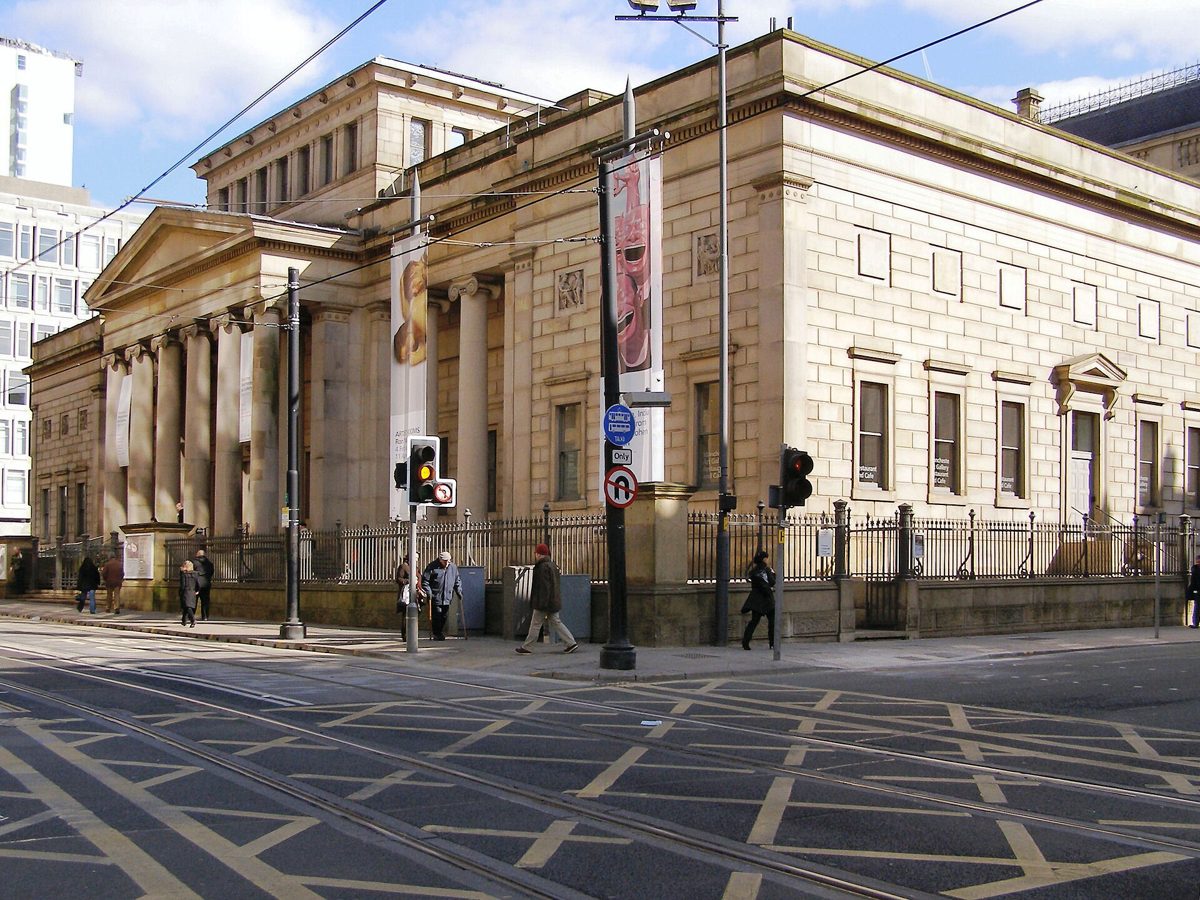
Manchester Art Gallery
Located centrally on Mosley Street, Manchester Art Gallery houses an extensive collection spanning six centuries. Its strength lies in its European and British art, particularly the Pre-Raphaelite Brotherhood. Visitors can spend hours admiring works by artists like Dante Gabriel Rossetti, John Everett Millais, and William Holman Hunt, whose intricate details and vibrant storytelling define the movement. The gallery also features a strong collection of 17th-century Dutch and Flemish masters, alongside French Impressionist paintings and 20th-century British art, including works by L.S. Lowry.
Beyond paintings, the gallery's decorative arts collection is notable, showcasing ceramics, glass, furniture, and silver. These exhibits provide context for the art and illustrate changing tastes and craftsmanship across different eras. The Costume Gallery, featuring historical and contemporary fashion, offers another dimension to the human story. The gallery's commitment to accessibility and its thoughtfully curated displays make it a compelling visit for anyone interested in art history and visual culture.
The Whitworth
Part of the University of Manchester, The Whitworth stands within Whitworth Park, offering a unique blend of art and nature. Reopened after a significant redevelopment, the gallery features a stunning contemporary extension that seamlessly connects the indoor spaces with the park's greenery. Its collections are diverse, with particular strengths in textiles, wallpapers, and works on paper, including prints, drawings, and watercolours.
The Whitworth holds one of the most important textile collections in the UK, showcasing everything from Coptic fragments to contemporary fabrics. Its wallpaper collection spans centuries, revealing patterns and techniques that reflect social and artistic trends. The gallery's modern art holdings include significant pieces by artists such as Francis Bacon, Lucian Freud, and Barbara Hepworth, alongside an impressive collection of international contemporary art. The interaction between the art and the park setting, with sculptures placed outdoors and large windows framing natural views, creates a calming and reflective atmosphere. The Whitworth offers a refreshing perspective on art's relationship with its environment.
The John Rylands Library
A masterpiece of Victorian Gothic architecture, The John Rylands Library on Deansgate is a true hidden gem and a breathtaking experience. Commissioned by Enriqueta Rylands in memory of her husband, John Rylands, the building itself is a work of art, resembling a cathedral more than a traditional library. Its soaring arches, intricate carvings, and stained-glass windows create an atmosphere of reverence and scholarly pursuit.
Visitors can explore the historic reading rooms, marvel at the architectural details, and view a selection of the library's extraordinary collection of rare books, manuscripts, and archives. Among its most famous holdings is the "St. John Fragment," the oldest extant piece of the New Testament, dating from the 2nd century AD. Other highlights include medieval illuminated manuscripts, early printed books like William Caxton's History of Troy, and personal papers of notable figures such as Elizabeth Gaskell and John Dalton. The library offers a tangible connection to centuries of human thought and creativity, presented within an awe-inspiring setting.
Science and Industry Museum
Situated on the site of the world's first passenger railway station, the Science and Industry Museum celebrates Manchester's pivotal role in the Industrial Revolution and its continuing legacy of innovation. The museum comprises several historic buildings, including the 1830 Station and the world's oldest surviving railway warehouse. Its permanent galleries cover a broad spectrum of scientific and technological advancements.
Key areas to explore include: Textile Gallery: Showcasing the machinery that powered Manchester's cotton industry, from spinning frames to power looms, demonstrating the processes that transformed raw cotton into finished cloth. Power Hall: An impressive collection of steam engines and other machinery, many of which are still in working order, illustrating the fundamental forces that drove industrial progress. Air and Space Gallery: Featuring historic aircraft and engines, reflecting Manchester's contributions to aviation technology. Revolution Manchester: An interactive gallery that explores the city's scientific and industrial breakthroughs, from splitting the atom to the development of the first programmable computer.
The museum effectively tells the story of how Manchester's innovations reshaped the world, making complex scientific and engineering principles accessible and engaging for all ages.
People's History Museum
The People's History Museum, located in a former Edwardian pump house on the banks of the River Irwell, is the national museum of democracy. It tells the story of working people in Britain, focusing on movements for social justice, equality, and radical ideas from the late 18th century to the present day. The museum's approach is to highlight the everyday struggles and triumphs that have shaped the nation's democratic landscape.
The museum's main galleries are arranged chronologically across two floors, displaying a rich collection of artifacts, banners, and personal stories. Visitors encounter: The Peterloo Massacre: Extensive displays detailing this pivotal moment in British democratic history, which occurred in Manchester in 1819. Suffragette Movement: Artifacts and narratives related to the fight for women's suffrage, including material connected to Emmeline Pankhurst and the Women's Social and Political Union, which originated in Manchester. Trade Union History: Banners and documents from various trade unions, illustrating the collective efforts to improve working conditions and rights. Political Reform and Protest: Exhibits covering chartism, co-operation, and modern protest movements, showing how ordinary people have driven change.
The People's History Museum offers a compelling narrative of social progress and the ongoing pursuit of democracy, making it a thought-provoking and inspiring visit.
Frequently asked questions
Are these attractions suitable for children?
Yes, all listed institutions offer elements that can engage younger visitors. The Science and Industry Museum, with its interactive exhibits and working machinery, is particularly popular with families. The People's History Museum uses engaging displays and stories, while the Whitworth and Manchester Art Gallery often host family-friendly workshops or trails. The John Rylands Library, while more focused on quiet contemplation, can still awe children with its architecture and ancient artifacts.
How much time should I allocate for each museum or gallery?
The time needed varies based on individual interest. For a comprehensive visit to Manchester Art Gallery, the Whitworth, or the Science and Industry Museum, plan for at least two to three hours each. The John Rylands Library can be appreciated in one to two hours, focusing on the architecture and key exhibits. The People's History Museum also typically requires two to three hours to fully engage with its narratives and collections. Many visitors choose to combine one or two venues in a single day.
Are there any free guided tours available at these locations?
Many of these institutions offer free public tours led by knowledgeable volunteers or staff members, especially for their permanent collections. It's advisable to check the specific institution's website or inquire upon arrival for details on tour schedules. These tours often provide deeper insights and highlight particular aspects of the collections that might otherwise be missed, enhancing the overall experience.
This is an independent member's guide compiled by Manchester Society. We are not affiliated with the venues and institutions mentioned; opening arrangements and programmes change - always confirm details on the official websites before making plans.
← Back to Events