Historic pubs of Manchester - a member's guide
Old rooms with real history: the Manchester pubs where the building is part of the story.
Manchester's historic pubs offer a tangible link to the city's past, each building a repository of stories, architectural character, and community spirit. This guide explores four such venerable establishments: Britons Protection, Peveril of the Peak, The Marble Arch, and The Circus Tavern, highlighting their unique histories, distinctive interiors, and documented cultural associations for members seeking authentic local experiences.
An Introduction to Manchester's Pub Culture
Manchester's urban landscape is dotted with public houses that have served generations, evolving from coaching inns to Victorian drinking palaces and community hubs. These establishments are more than just places to drink; they are architectural artifacts, social institutions, and keepers of local lore. Their enduring presence reflects Manchester's industrial heritage, its resilience, and its deep-seated appreciation for communal spaces. Visiting these pubs provides a direct connection to the city's living history, offering insights into its development and the everyday lives of its inhabitants through centuries. Each pub presents a unique facet of this heritage, from ornate Victorian tiling to intimate, centuries-old snugs, reflecting different eras and styles of public house design and social function, frequented by everyone from textile workers to suffragettes and prominent industrialists.
Britons Protection - A Whiskey Haven
The Britons Protection, located near the Bridgewater Hall on Great Bridgewater Street, is one of the city's oldest pubs: the building dates from the early 19th century and has traded as a pub since around 1811 (the pub itself gives 1806), while much of the bar, back bar and seating comes from a 1930s refit. The building showcases an elaborate facade with decorative tiling and intricate stonework, characteristic of the era's pub architecture designed to attract a burgeoning working and middle-class clientele. It is a Grade II listed building, recognized for its special architectural and historical interest, particularly its well-preserved interior that captures the essence of a bygone era.
Inside, the Britons Protection retains much of its original multi-room layout, a feature increasingly rare in modern pubs. Patrons can choose from several distinct spaces, including small snugs and a larger lounge area, each separated by dark wood partitions and frosted glass. The interior is characterized by its high ceilings, traditional bar fittings, and working fireplaces that add to a warm, inviting atmosphere. Original features like etched glass, intricate cornicing, and a long, polished bar counter underscore its heritage. The sense of stepping back in time is palpable, enhanced by the absence of modern distractions often found in contemporary establishments. The arrangement of rooms offers both intimacy and a sense of shared space, allowing for quiet conversation or lively group gatherings amongst friends and strangers.
The pub is famously associated with its extensive collection of whiskies, boasting hundreds of varieties from around the world. Its reputation is built on an extraordinary collection of over 300 whiskies, spanning single malts, bourbons, and international varieties, making it a pilgrimage site for enthusiasts. Regular tasting events, often led by experts like Eddie Johnson, further cement its standing as a premier whiskey destination. Its proximity to the Bridgewater Hall, Manchester's premier concert venue opened in 1996, has also made it a popular pre- and post-show spot for musicians from the Hallé Orchestra and visiting performers, alongside concertgoers. Furthermore, its location by the Rochdale Canal basin links it directly to Manchester's industrial canal network, historically a bustling area of trade and transport, reinforcing its significance as a historical and cultural landmark.
Peveril of the Peak - The Tiled Landmark
The Peveril of the Peak stands as one of Manchester's most visually distinctive pubs, instantly recognizable by its striking, fully tiled exterior. Located on Chepstow Street, its unusual triangular shape is a result of its placement on a narrow plot between two converging streets. While the building's precise construction date is often cited as early 19th century, its current Victorian appearance, including the iconic tiling, suggests a significant redevelopment or rebuild in the late 19th or early 20th century. The distinctive green and cream glazed brickwork, a hallmark of late Victorian street architecture, was a practical and aesthetic choice, offering durability and a striking appearance. This specific style of tiling, often from manufacturers like Burmantofts, was a status symbol for public houses of the era. It is a Grade II listed building, celebrated for its unique architecture and the remarkable preservation of its original features.
Stepping inside the Peveril is akin to entering a time capsule. The interior maintains a traditional, no-frills charm, with a central bar serving several small, interconnected rooms. These rooms are characterized by their simple, functional decor, dark wood panelling, and comfortable, worn seating. The layout encourages a sense of community and conversation, a stark contrast to the open-plan designs prevalent in many contemporary pubs. Original features like etched glass, gas lamps (now electric), and a classic tiled floor contribute to its authentic historical ambiance. The compact nature of the pub enhances its intimate feel, making every visit feel personal and steeped in history. The rooms, while small, offer distinct environments, from a quiet corner to a more lively bar area.
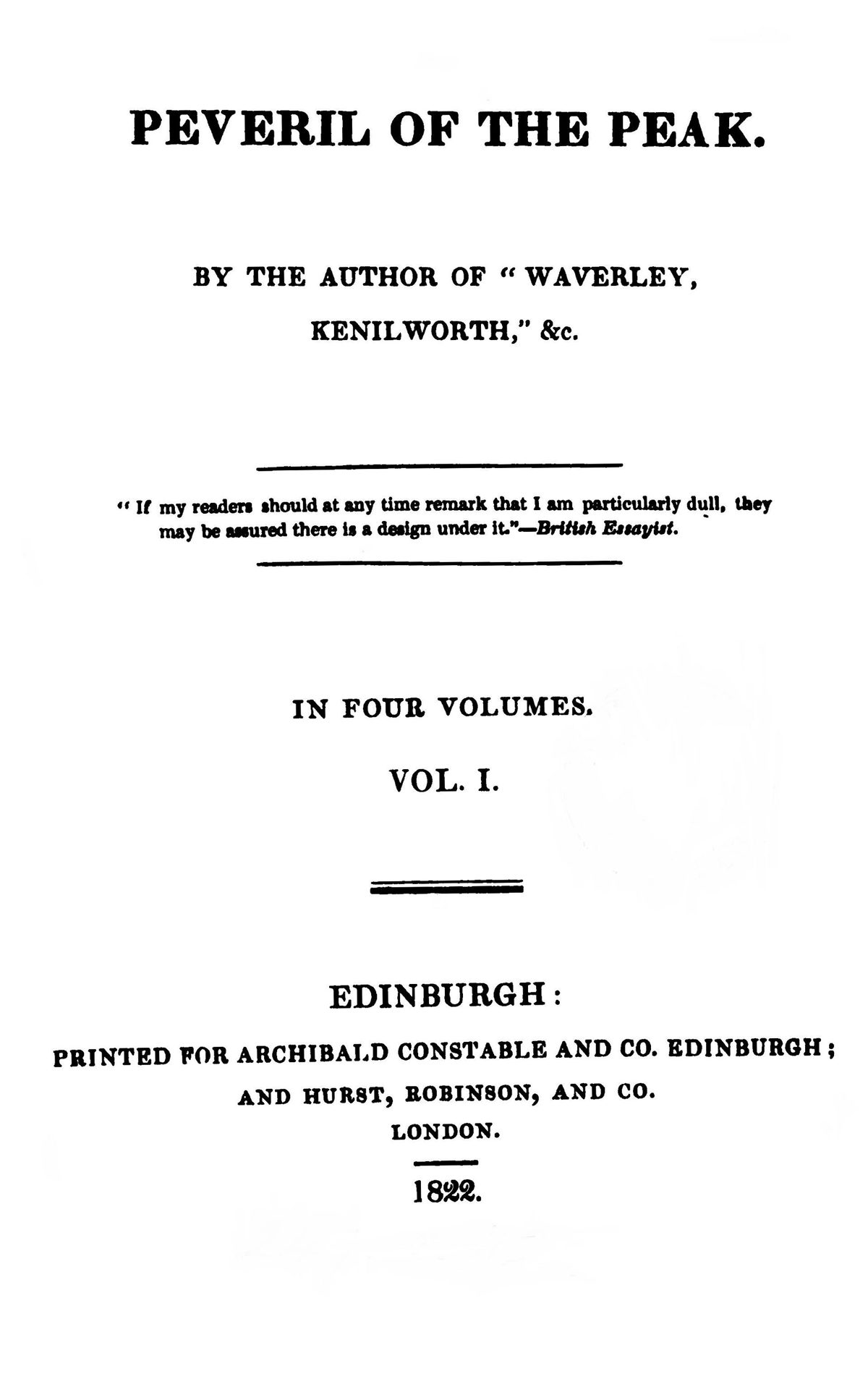
The Peveril of the Peak takes its name from Sir Walter Scott's 1823 novel. The pub's name, 'Peveril of the Peak,' directly references Scott's historical novel, a romantic tale set in the Derbyshire Peak District and the Isle of Man. This naming convention was popular in the 19th century, connecting local establishments to popular literature and regional geography. Over the decades, its unique appearance has made it a favorite subject for photographers, artists, and filmmakers, cementing its status as a local landmark and a symbol of Manchester's architectural heritage. It has been featured in numerous guidebooks and articles celebrating traditional British pubs, and its unique appearance has made it a favorite backdrop for productions, including the TV series 'Peaky Blinders' and various independent films and commercials, solidifying its visual identity in popular culture. Its enduring popularity with locals and visitors alike underscores its role as a beloved institution.
The Marble Arch - Victorian Grandeur and Brewing Innovation
The Marble Arch, situated on Rochdale Road, is an architectural marvel built in 1888. Originally a brewery tap house for the Joseph Holt brewery, its design exemplifies the Victorian era's penchant for grandeur and intricate detailing. Joseph Holt Brewery, established in Manchester in 1849, is a long-standing family-run business. The Marble Arch initially served as one of its prominent 'tied houses,' ensuring a steady outlet for Holt's traditional ales. The building is a magnificent example of a purpose-built public house, featuring an impressive facade of glazed brickwork, terracotta, and ornate carvings. The exterior boasts intricate terracotta panels, depicting hop bines and barley sheaves, symbols of brewing, alongside ornate carvings that reflect the wealth and confidence of Victorian Manchester. Its Grade II listed status acknowledges its exceptional architectural significance, particularly its well-preserved interior and exterior features that exemplify late Victorian pub design.
The interior of The Marble Arch is as impressive as its exterior, characterized by high ceilings, a grand central bar, and a wealth of original Victorian features. The most striking element is the extensive use of ceramic tiling, particularly the intricate mosaic floor and the decorative wall tiles that ascend towards the ceiling. Inside, the mosaic floor, featuring the pub's name, is a fine example of Victorian decorative art. Dark wood panelling, ornate plasterwork, and large, arched windows further enhance the sense of historical opulence. The pub's layout offers various seating areas, from more open spaces around the bar to quieter nooks, all unified by the rich, detailed decor. The sheer scale and preservation of its original features make it a truly immersive historical experience, showcasing the lavishness of Victorian public houses.
The Marble Arch is indelibly associated with the Marble Brewery, which began brewing on the premises in 1997. In 1997 the pub's owner, Jan Rogers, founded Marble Brewery on the premises, and it became one of the earliest and most influential craft breweries in the UK. They pioneered modern brewing techniques and experimental recipes, producing acclaimed beers like 'Lagonda IPA' and 'Manchester Bitter,' which quickly garnered national recognition and numerous awards from CAMRA (Campaign for Real Ale). This association transformed the pub from merely a historic building into a dynamic center for brewing innovation, drawing attention from across the country and beyond. Its architectural significance combined with its role in the craft beer revolution makes it a unique and historically important venue.
The Circus Tavern - Manchester's Intimate Corner
The Circus Tavern, nestled on Portland Street, holds the distinction of being reputedly Manchester's smallest pub. Its history stretches back to the late 18th century, with records suggesting its existence as early as 1790. This makes it one of the city's oldest continuously operating public houses, predating much of the Victorian development that shaped modern Manchester. Originally serving as a coaching inn, its modest size reflects the more compact scale of buildings from that period, before the grander designs of the Industrial Revolution took hold. As a coaching inn, it provided vital services for travellers and their horses, offering lodging, food, and drink. Its location on Portland Street, a key thoroughfare, would have made it a bustling stop for coaches heading in and out of the city. The building's age and small footprint contribute significantly to its unique character and historical charm.
The interior of The Circus Tavern is defined by its compact, intimate nature. Patrons step directly into a small, cozy space dominated by a central, traditional bar. Low ceilings, dark wood, and simple furnishings contribute to a warm, inviting atmosphere that feels remarkably unchanged by time. Despite its small size, the pub manages to offer several distinct, albeit tiny, areas for seating, fostering a close-knit, convivial environment. Original features are subtle but present, reflecting its long history without overt Victorian embellishment. The overall impression is one of stepping into a cherished local institution, where the focus is on conversation and traditional pub culture, rather than elaborate decor.
The pub's name, "Circus Tavern," is believed to derive from its proximity to what was once a circus or amphitheater in the area during the late 18th or early 19th century. Historical records suggest the 'circus' in its name refers to the nearby 'Manchester Amphitheatre' or 'Circus Royal,' which operated in the late 18th and early 19th centuries, hosting equestrian shows and theatrical performances. This proximity linked the tavern to the city's early entertainment scene. Its enduring presence in the city center, surrounded by modern developments, makes it a unique survivor and a point of historical curiosity. While often cited as Manchester's smallest, its age makes it one of the city's most venerable, alongside others like The Old Wellington (dating from 1552) and Sinclairs Oyster Bar, though these were famously relocated in 1999. It is documented as a place where locals and visitors seek an authentic, traditional pub experience, away from the larger, more contemporary establishments. Its small size and long history have made it a beloved character in Manchester's pub scene, often highlighted in guides to the city's hidden gems.
Preserving Manchester's Pub Legacy
These historic pubs represent more than just places to enjoy a drink; they are vital components of Manchester's cultural and architectural heritage. Their continued operation, often under the stewardship of individuals committed to preserving their unique character, ensures that future generations can experience these tangible links to the past. From the intricate tiling of the Peveril of the Peak to the grand interiors of The Marble Arch, and the intimate charm of The Circus Tavern and Britons Protection, each establishment offers a distinct window into Manchester's rich history. Their existence underlines the importance of safeguarding these unique public spaces against the pressures of modern development, ensuring that the city's narrative remains vibrant and accessible through its oldest institutions.
### Key Features of Manchester's Historic Pubs
Each of these establishments contributes a distinct element to Manchester's pub heritage: Britons Protection: Renowned for its unparalleled whiskey collection (over 300 varieties) and preserved multi-room Victorian interior. Peveril of the Peak: Celebrated for its iconic, fully tiled exterior and intimate, traditional layout, making it a visual landmark. The Marble Arch: A grand Victorian architectural showpiece that pioneered Manchester's craft beer scene with Marble Brewery. The Circus Tavern: Manchester's reputedly smallest and one of its oldest pubs, offering an intimate, centuries-old atmosphere.
Frequently asked questions
What defines a historic pub in Manchester?
A historic pub in Manchester is typically defined by its age, often dating back to the 19th century or earlier, and its architectural integrity. These establishments usually retain significant original features, such as Victorian tiling, multi-room layouts, traditional bar fittings, and distinctive facades. They often hold listed building status, recognizing their special architectural or historical interest. Their history is frequently intertwined with local events, industries, or cultural shifts, making them important repositories of the city's past.
Are these pubs primarily known for specific drinks?
While all these pubs offer a range of traditional alcoholic beverages, some have developed particular specializations. Britons Protection is famously known for its extensive whiskey collection, attracting connoisseurs. The Marble Arch gained significant recognition for pioneering the craft beer movement in Manchester through its on-site Marble Brewery, founded in 1997 by the pub's owner, Jan Rogers. The Peveril of the Peak and The Circus Tavern, while offering a variety of beers and spirits, are more generally celebrated for their traditional pub atmosphere and well-kept cask ales, embodying the classic British pub experience.
Can these pubs be visited on a walking tour?
Yes, these pubs are all located within Manchester city center and are relatively accessible for a walking tour. The Britons Protection, Peveril of the Peak, and The Circus Tavern are within reasonable walking distance of each other, situated in the southern part of the city center. The Marble Arch is a bit further north on Rochdale Road, but still within a walkable distance or a short public transport ride from the others. Visiting them on foot allows for appreciation of their surrounding urban context and the historical evolution of the city's architecture, including landmarks like the Bridgewater Hall and the Rochdale Canal.
This is an independent member's guide compiled by Manchester Society. We are not affiliated with the venues and institutions mentioned; opening arrangements and programmes change - always confirm details on the official websites before making plans.
← Back to Events