Literary Manchester - bookshops, libraries and reading rooms worth your time
Independent bookshops, historic libraries and reading spots of Manchester: a literary walking companion for members.
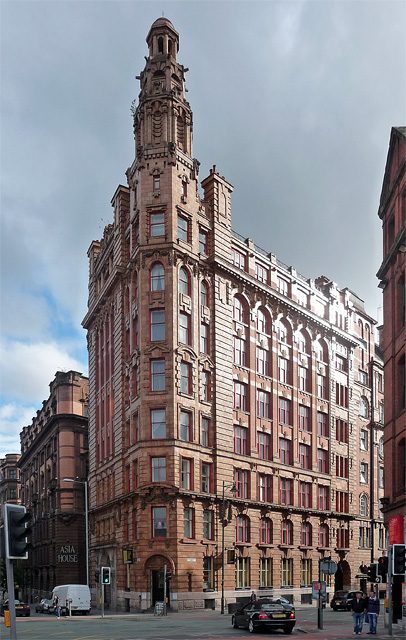
Manchester, a city forged in industry, possesses a vibrant literary soul, evident in its historic libraries, independent bookshops, and sites connected to figures like Elizabeth Gaskell and Anthony Burgess. From the Gothic grandeur of John Rylands to the modern Whitworth, its pages invite exploration for any bibliophile seeking the city's narrative threads.
The Grandeur of John Rylands Research Institute and Library
Standing proudly on Deansgate, the John Rylands Research Institute and Library is more than a building; it is a meticulously crafted monument to knowledge and devotion. Commissioned by Enriqueta Rylands in memory of her husband, textile magnate John Rylands, this architectural marvel opened its doors in 1900. Designed by Basil Champneys, its Neo-Gothic facade, reminiscent of a cathedral, hints at the treasures within. The library's interior is a breathtaking display of vaulted ceilings, intricate stonework, and stained-glass windows, creating an atmosphere of quiet reverence that inspires awe in visitors and scholars alike.
The library's collection is truly world-class, encompassing an extraordinary array of rare books, manuscripts, and archives spanning five millennia. Among its most prized possessions is the St John Fragment, a small papyrus fragment of the Gospel of John, believed to be the earliest extant piece of the New Testament. Other highlights include a Gutenberg Bible, medieval illuminated manuscripts, and the personal papers of influential figures across history, from scientists to poets. For a literary enthusiast, the sheer weight of history contained within these walls is palpable. Imagine the intellectual journeys undertaken by countless scholars poring over these texts, or the stories embedded within the very ink and parchment. The library serves as a powerful reminder of humanity's enduring quest for understanding and expression, making it a pivotal site for anyone exploring Manchester's literary heritage. Its quiet halls have undoubtedly inspired countless writers, academics, and thinkers who have passed through its doors, drawing from the deep well of human wisdom it preserves.
Manchester Central Library - A Civic Gem
In stark contrast to the Gothic intricacies of John Rylands, but no less impressive, stands Manchester Central Library. This iconic circular building, opened in 1934, is a masterpiece of Neoclassical architecture, with its grand portico and domed reading room immediately evoking comparisons to the Pantheon in Rome. Designed by E. Vincent Harris, it represents civic pride and a commitment to public access to knowledge, a principle deeply ingrained in Manchester's history.
Beyond its striking exterior, the library's interior is equally captivating. The Great Hall, beneath the dome, is a magnificent space, now home to modern amenities alongside its historic charm. The library houses extensive collections, ranging from contemporary fiction to specialist archives in local history, music, and performing arts. It is a working library, a vibrant community hub where students study, researchers uncover forgotten facts, and readers discover new authors. The library's commitment to accessibility has made it a democratic space for literature, fostering literacy and learning across generations. It frequently hosts author events, literary festivals, and workshops, reinforcing its position as a living, breathing centre for words in the city. Its archives hold countless narratives of Manchester's past, from the lives of its ordinary citizens to the records of its industrial giants, providing a rich source for anyone interested in the city's story, both factual and fictional.
Elizabeth Gaskell's House - A Victorian Literary Hearth
For a truly intimate glimpse into Manchester's literary past, a visit to Elizabeth Gaskell's House in Plymouth Grove is essential. This beautifully preserved Victorian villa was the family home of the renowned novelist Elizabeth Gaskell from 1850 until her death in 1865. It was here that Gaskell wrote some of her most celebrated works, including "Cranford," "North and South," "Ruth," and "Wives and Daughters." The house provides a vivid window into the domestic life of a prominent Victorian author.
Visitors can explore the very rooms where Gaskell lived, wrote, and entertained. Her writing desk, in the drawing room, offers a poignant connection to the creative process behind her novels, many of which sensitively portrayed life in industrial Manchester and its surrounding areas. Gaskell's home was also a lively social hub, a literary salon where she hosted many of the era's leading intellectual and artistic figures. Charles Dickens was a frequent visitor, staying overnight and discussing literary matters. Charlotte Brontë, a close friend, also stayed at the house, finding solace and inspiration. The atmosphere of the house, with its period furnishings and personal touches, makes Gaskell's world feel incredibly close, allowing visitors to imagine the conversations, the struggles, and the triumphs that shaped her extraordinary literary output. It is a powerful reminder of how domestic spaces can become crucibles for great art.
The Whitworth - Art, Nature, and Words
Nestled within the serene Whitworth Park, the Whitworth Art Gallery, part of the University of Manchester, offers a different kind of literary connection. While primarily an art gallery, its ethos of accessibility, its stunning setting, and its academic ties imbue it with a distinctive literary resonance. Reopened in 2015 after a significant redevelopment, the gallery beautifully integrates with its park surroundings, blurring the lines between indoor and outdoor spaces, art and nature.
The Whitworth's collections span historical and contemporary art, textiles, wallpapers, and sculpture. For a literary mind, the visual narratives presented in the exhibitions can be incredibly inspiring. Art often sparks storytelling, character development, and evocative descriptions. The gallery frequently hosts poetry readings, literary events, and discussions that bridge the gap between visual art and written word. Its popular cafe, with its panoramic views of the park, provides a tranquil spot for contemplation, reading, or the inception of new ideas. Furthermore, as an institution connected to the University of Manchester, a hub of academic and literary studies, the Whitworth inherently participates in the intellectual life of the city. Its exhibition catalogues are often meticulously researched and beautifully written, offering literary insights into artistic movements and individual works. The gallery functions as a cultural nexus where diverse forms of expression converge, enriching the city's broader literary landscape.
The Science and Industry Museum - Innovation and Narrative
The Science and Industry Museum, located on the historic site of the world's first passenger railway station, might seem an unconventional choice for a literary guide, yet its narrative power is undeniable. This museum tells the gripping story of Manchester's pivotal role in the Industrial Revolution and its enduring legacy, themes that have profoundly shaped British literature. The vast collections, housed in five listed buildings, showcase everything from colossal steam engines and historic textile machinery to early computers and aircraft.
The museum is a repository of human ingenuity, chronicling the dramatic shifts in society, economy, and everyday life brought about by industrialisation. These transformations are precisely what authors like Elizabeth Gaskell explored in novels such as "Mary Barton" and "North and South," depicting the stark realities of factory life, urban poverty, and class conflict. The museum provides the tangible context for understanding the world these writers portrayed. Walking among the clattering looms or beside the colossal engines, one can almost hear the narratives of the workers, inventors, and entrepreneurs who built modern Manchester. Moreover, the museum touches upon the dawn of computing, with exhibits on figures like Alan Turing, whose groundbreaking work at the University of Manchester not only laid the foundations for the digital age but also inspired countless works of science fiction, philosophical essays, and historical dramas. The stories of scientific discovery and technological advancement are, at their core, powerful human narratives, full of ambition, struggle, and world-changing consequences, making the museum a rich source of inspiration for any writer or reader interested in the intersection of progress and human experience.
Independent Bookshops and Literary Haunts
Manchester's literary spirit is not confined to grand institutions; it thrives in its independent bookshops, which serve as vital community hubs and havens for readers. These shops offer curated selections, personalised recommendations, and often host author events, fostering a direct connection between writers and their audiences.
Here are a few notable independent bookshops that contribute to Manchester's vibrant literary scene: Chapter One Books: Located near Piccadilly, this charming independent bookshop and cafe offers a carefully chosen selection of new fiction and non-fiction. Its cosy atmosphere, complete with comfortable seating and excellent coffee, makes it an ideal spot for an afternoon of browsing and reading. They frequently host book clubs and author signings, creating a strong sense of literary community. Paramount Books: A true Manchester institution, Paramount Books on Shudehill is a treasure trove of second-hand and rare books. With shelves stacked high and a slightly chaotic charm, it invites patient exploration, promising unexpected discoveries for the dedicated bibliophile. It's the kind of place where literary history feels tangible, waiting to be unearthed. Book Cycle Manchester: This unique charity bookshop operates on a "pay-as-you-feel" model, promoting literacy and environmental sustainability. Located in the Northern Quarter, it offers an ever-changing selection of donated books, creating an inclusive space for all readers to access literature.
These bookshops, alongside others in the city, are more than just retail spaces; they are cultural anchors, preserving the joy of physical books and providing platforms for literary discussion and discovery.
This is an independent member's guide compiled by Manchester Society. We are not affiliated with the venues and institutions mentioned; opening arrangements and programmes change - always confirm details on the official websites before making plans.
← Back to Events