Markets and food culture in Manchester - where locals actually shop and eat
The markets, food halls and independent streets that show how Manchester really eats.
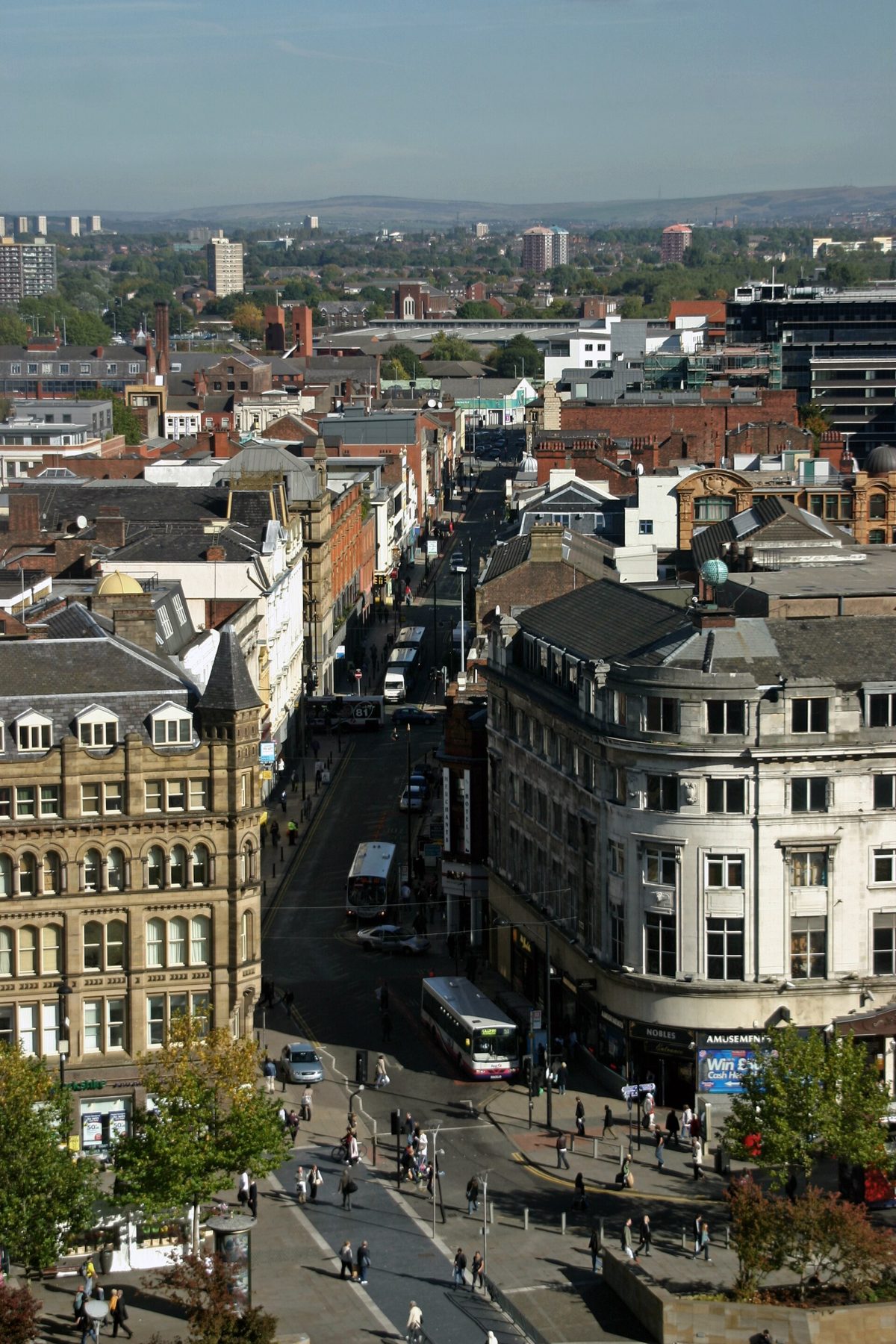
Manchester's food scene thrives on a dynamic interplay of tradition and innovation, with its historic markets and vibrant districts serving as essential culinary anchors. These spaces, from grand Victorian halls to bustling modern hubs and independent quarters, offer a diverse array of global flavors and local produce, reflecting the city's rich industrial heritage and its ongoing evolution as a gastronomic destination.
The Enduring Appeal of Market Culture
Manchester has always been a city of trade and commerce, a hub where goods and ideas converged. Its markets are not merely places to buy food; they are social institutions, historical touchstones, and living expressions of the city's diverse character. From the mercantile roots of the Industrial Revolution to today's global culinary landscape, these spaces have adapted, retaining their significance as communal gathering points and sources of sustenance. They embody Manchester's spirit of reinvention, transforming old structures and traditions into vibrant, contemporary experiences while honoring their past.
Mackie Mayor - Grandeur Reimagined
Nestled within the Northern Quarter, Mackie Mayor occupies a magnificent Grade II listed building that once served as a wholesale meat market. Its soaring Victorian architecture, with exposed brickwork and an impressive glass ceiling, creates an immediate sense of occasion. The atmosphere is consistently buzzing, a lively hum of conversation and the clatter of plates, making it a popular destination for both casual meals and celebratory gatherings. The communal seating encourages interaction, fostering a friendly, inclusive vibe.
What it sells is a curated selection of independent food vendors, offering high-quality, diverse street food. Visitors can find artisanal pizzas, slow-cooked meats from rotisserie stalls, fresh seafood preparations, vibrant taco selections, and fluffy bao buns. There are also dedicated counters for craft beers, wines, and specialty coffees, ensuring a comprehensive dining experience. This market hall captures Manchester's knack for repurposing its industrial heritage. Built in 1858, it was part of the larger Smithfield Market complex, a vital artery for the city's food supply during its industrial boom. Its revival as a modern food hall in recent years speaks to a broader trend in Manchester: honoring architectural legacy by giving it a new, relevant purpose, echoing the city's continuous adaptation and economic dynamism.
Altrincham Market - A Blueprint for Regeneration
Just south of the city center, Altrincham Market stands as a powerful example of successful urban regeneration. This market has transformed from a struggling local venue into a nationally recognized food destination. The atmosphere here is warm and inviting, often bustling with families and friends enjoying meals together, especially on weekends. It manages to feel both contemporary and deeply rooted in community tradition, enhanced by the occasional live music performance that adds to its convivial spirit.
The market offers a blend of prepared food and artisan produce. Traders present a range of gourmet burgers, wood-fired pizzas, fresh seafood, imaginative salads, and baked goods. Beyond the hot food, visitors can purchase high-quality local cheeses, freshly baked breads, charcuterie, and specialty groceries, making it a place for both immediate indulgence and stocking the pantry. Altrincham has held market rights since 1290, making it one of the oldest chartered markets in the UK. Its recent revitalization, beginning in the early 2010s, demonstrates how a thoughtful approach to market management, focusing on quality and community, can breathe new life into historic town centers. It reflects Manchester's wider commitment to fostering local economies and creating vibrant public spaces that serve as social anchors, much as markets did for centuries.
The Arndale Market - Urban Diversity at Its Core
Located within the sprawling Arndale Centre, the Arndale Market offers a stark contrast to the grander, more curated halls. This is a truly urban market, reflecting the everyday pulse and extraordinary diversity of Manchester city center. The atmosphere is unpretentious and busy, a constant flow of shoppers and diners moving between stalls. It's a place where practicality meets culinary adventure, providing an honest snapshot of the city's multicultural fabric.
The offerings are incredibly varied, catering to a wide range of needs and tastes. On one side, traditional market stalls sell fresh fruit and vegetables, cuts of meat from local butchers, and fresh fish. On the other, a vibrant array of international food vendors serves up dishes from around the globe. You might find: Spicy Thai curries and noodle dishes Fragrant Vietnamese pho and banh mi Hearty Caribbean stews and jerk chicken Authentic Mexican tacos and burritos Classic British pies and sandwiches
Beyond food, the market also houses stalls selling clothing, phone accessories, and various household goods, reinforcing its role as a practical, accessible hub for city dwellers. Historically, city markets like this were essential for daily provisions. The Arndale Market continues this tradition, adapting to modern retail environments. It represents Manchester's continuous evolution, where the core function of a market-providing essential goods and fostering community-persists even within a large shopping complex, maintaining a direct link to the city's long mercantile past.
The Northern Quarter - Independent Spirit and Culinary Creativity
More a district than a single market, Manchester's Northern Quarter is renowned for its independent spirit and creative energy, which extends deeply into its food and drink scene. This area, characterized by its red-brick warehouses and cobbled streets, feels distinctly different from the city's main shopping thoroughfares. The atmosphere is bohemian and cool, a hub for artists, musicians, and anyone seeking unique experiences. It is a place where individuality is celebrated, and innovation in food and drink flourishes.
The independent shops and eateries here prioritize quality, craft, and often, ethical sourcing. Visitors can explore a wealth of options: Specialty Coffee Shops: Focused on single-origin beans and expert brewing techniques. Independent Bakeries: Crafting artisanal breads, pastries, and cakes, often with vegan or gluten-free options. Vegan and Vegetarian Eateries: Offering inventive, plant-based menus that push culinary boundaries. Craft Beer Bars: Showcasing a vast selection of local and international brews. Delicatessens: Selling curated selections of cheeses, charcuterie, and gourmet groceries.
Historically, the Northern Quarter was the heart of Manchester's garment industry and warehousing. Its transformation began in the late 20th century, evolving into a cultural quarter that champions independent businesses. This shift mirrors Manchester's broader journey from an industrial powerhouse to a creative and cultural capital. The food and drink establishments here are extensions of this independent ethos, contributing to a vibrant street-level economy that values authenticity and innovation over chain uniformity. It reflects the city's long-standing tradition of non-conformity and entrepreneurial drive.
Manchester's Market Evolution - A Culinary Narrative
These distinct markets and food districts collectively tell a story of Manchester's culinary evolution. From the grand Victorian halls that once fed an industrial giant to the modern, curated food halls that celebrate global flavors, and the independent quarter fostering innovation, each place offers a unique perspective. They highlight the city's ability to preserve its heritage while embracing change, creating spaces that are both economically vital and culturally rich. The ongoing success of these venues underscores a fundamental truth: Manchester understands the power of food to bring people together, to celebrate diversity, and to tell its own ongoing story. They are not merely places of transaction but vibrant community hubs, reflecting the dynamism and resilience that define this remarkable city.
Frequently asked questions
What makes Manchester's food markets unique?
Manchester's food markets are unique because they blend deep historical roots with a contemporary, global outlook. Many are housed in beautifully restored Victorian buildings, offering a tangible link to the city's industrial past while serving cutting-edge international cuisine. They act as community hubs, reflecting Manchester's diverse population and its ongoing commitment to urban regeneration and independent enterprise.
Are these markets suitable for families?
Yes, markets like Altrincham Market are particularly family-friendly, often featuring ample space, a relaxed atmosphere, and a variety of food options that cater to different tastes, including child-friendly choices. Mackie Mayor also welcomes families, though its communal seating can be very busy during peak hours. The Arndale Market offers a more utilitarian experience, but its diverse food stalls can certainly provide options for all ages.
How do these markets contribute to Manchester's cultural identity?
These markets are integral to Manchester's cultural identity by serving as vibrant public spaces that celebrate diversity, foster community, and showcase the city's entrepreneurial spirit. They represent Manchester's journey from an industrial powerhouse to a modern cultural hub, preserving architectural heritage while embracing new culinary trends and independent businesses. They are places where history, food, and community intersect daily.
This is an independent member's guide compiled by Manchester Society. We are not affiliated with the venues and institutions mentioned; opening arrangements and programmes change - always confirm details on the official websites before making plans.
← Back to Events